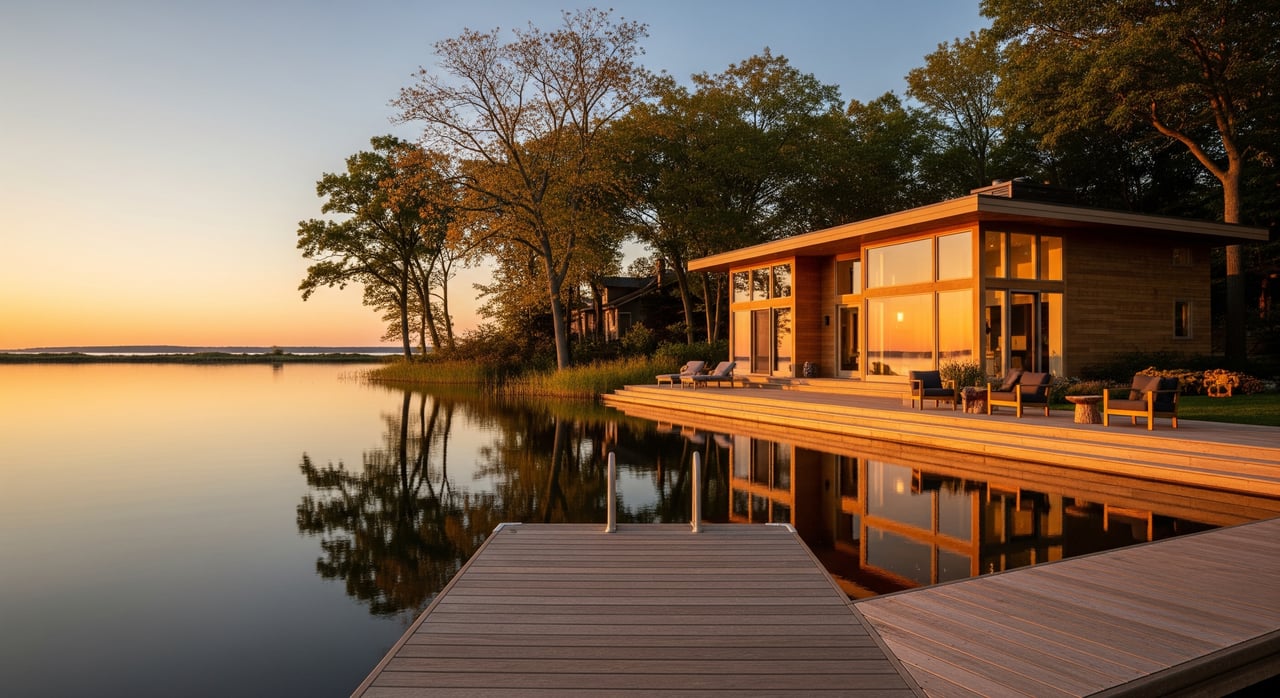
Torn between the drama of Lake Michigan and the calm of Holland’s inland lakes? You’re not alone. Choosing your ideal waterfront comes down to how you want to live, play, and steward a property year after year. In this guide, you’ll learn the real differences in water conditions, rules and permits, ongoing costs, and market dynamics, plus a step-by-step checklist to buy with confidence. Let’s dive in.
Lake Michigan: What to expect
Lake Michigan is big water with big energy. Long open-water fetch means larger waves, stronger wind-driven surge, and shore currents you will feel on windy days. Water levels rise and fall seasonally and over multi-year cycles, which can reshape beaches, dunes, and docks. During strong storms, you can see fast beach erosion and overwash.
Shorelines here are usually sandy with coastal dunes and occasional bluffs. Dune systems are dynamic and protected in many places. Expect colder, deeper water, with fish species like salmon and trout nearshore along with perch. Summer water near the beach can stay cool, and storms can stir up turbidity and reduce clarity.
Winter brings powerful winds that keep portions of the lake open longer. Ice formation is less reliable for skating or ice fishing right on the open shoreline. Year to year, conditions vary, so you plan activities around the weather.
Lake Michigan lifestyle
- Long sandy beach walks, surf swimming on calmer days, and unforgettable sunsets.
- Big-water boating and deep-water fishing for experienced boaters.
- Access to public amenities like state parks and public beaches, with larger summer crowds near those areas.
Property implications on Lake Michigan
- Public trust and the ordinary high-water mark can shape how you use and share the beach area. Always verify current definitions and your survey.
- Dune protection and shoreline setbacks are strict. Shoreline work, dock anchoring, or dune alteration typically requires permits and faces close review.
- Flood risk can be driven by storm surge and higher base water levels. Even if a property is outside a mapped flood zone, localized flooding can occur.
- Maintenance is higher due to wind and blowing sand. Exterior finishes, decks, and shoreline stabilization can require frequent attention.
Inland lakes around Holland: What to expect
Holland’s inland waters include Lake Macatawa and a variety of smaller lakes in Ottawa County and nearby areas. These are smaller basins with calmer water and shorter fetch. You will see smaller wakes and less shoreline erosion from lake-wide storms.
Shore types vary. You might find sandy bottoms, marshy or wooded edges, or man-made shorelines with bulkheads or riprap. Vegetation and wetland buffers are common and help water quality. Inland lakes are often warmer and shallower, with more aquatic vegetation and fish communities like bass, bluegill, and panfish.
In winter, many inland lakes freeze earlier and more solidly. That can support ice fishing and other winter recreation in many years, though weather variability still matters.
Inland lake lifestyle
- Calmer boating for kayaking, canoeing, pontoons, and small sailboats.
- Easier day-to-day dock use, often better for casual swimmers and younger kids in supervised shallow areas.
- More wildlife viewing and relaxed, dockside living.
Property implications on inland lakes
- Access and use depend on whether the lake is public or private and on any easements. Many inland lakes are publicly navigable, while others are private or deed-restricted.
- Dock rules are often simpler than on Lake Michigan, but you must follow lake associations, township, or county regulations. Some lakes have horsepower or wake limits.
- Expect routine vegetation management and standard dock maintenance. Septic systems and well records are important, especially on smaller lots close to the water.
Permits, setbacks, and docks
Rules differ by shoreline, and it pays to plan ahead.
- Lake Michigan shoreline: Stricter dune protection and greater setback requirements are common. Shoreline work, dune alteration, docks, and seawalls usually require permits. In some cases, federal review may apply.
- Inland lakes: You still need to follow state and local permitting for docks, bulkheads, and wetland impacts. Requirements can be less restrictive than on the open lake, but they are lake-specific and enforceable.
Authorities to contact include the Michigan Department of Environment, Great Lakes, and Energy, local planning and zoning offices for the City of Holland and Ottawa County, the Ottawa County Health Department for well and septic records, the Michigan DNR for boating and fisheries information, and federal agencies if applicable. Experienced local professionals can help you coordinate early.
Costs, maintenance, and insurance
Every waterfront has ongoing costs. On Lake Michigan, wind and sand can drive more frequent exterior maintenance for siding, paint, decks, and windows. Shoreline stabilization or dune care can add long-term expenses, and docks face greater exposure to damage.
On inland lakes, you may spend more time on aquatic vegetation control and routine dock care. Septic system maintenance and setbacks are a common focus on smaller or older lots.
Flood risk varies. On Lake Michigan, storm surge and higher base water levels can affect certain properties. On inland lakes, heavy rainfall and runoff can drive localized flooding. Review FEMA flood maps and ask for elevation certificates where available. It is smart to get insurance quotes for homeowners, wind or hail, and flood coverage early in your process.
Market patterns and value drivers
Waterfront value in Holland is shaped by a few constants:
- Lot frontage and depth, beach quality, and the quality of the view. Westward exposure for sunsets is a premium.
- House condition, elevation above the water, and how usable the yard is versus steep dune or bluff.
- Proximity to downtown Holland, parks, marinas, and road access, plus whether municipal utilities are available.
Lake Michigan frontage typically commands a premium because open-lake views and direct beach access are rare and highly desired. Buildable beachfront is limited, especially where protected dunes and public parks reduce supply.
Inland lakes vary widely. Larger inland waters near Holland, such as the Macatawa Harbor and Lake Macatawa system, can rival coastal prices when lots are large, water is deep, and the boating community is strong. Smaller, more secluded lakes often offer a lower entry price and more land value per dollar.
Liquidity differs by segment. Lake Michigan homes attract vacation and second-home buyers and can move quickly when presented well. Inland lake homes see steady demand from buyers wanting calmer water, easier dockage, and potentially lower upkeep.
Seasonal rental potential exists in both categories, but the guest profile can differ. Some local zoning and HOA rules restrict short-term rentals, so you should confirm city or township ordinances and association covenants before you buy.
Lifestyle fit: quick decision guide
Choose Lake Michigan if you want:
- Iconic sandy beaches, long shoreline walks, and postcard sunsets.
- Surf, windsports, or big-water boating with the seamanship it requires.
- A dramatic, seasonal shoreline that may require more maintenance and permitting.
Choose an inland lake if you want:
- Calmer water for casual swimming, kayaking, and family boating.
- Easier dock use with fewer wave-driven repairs.
- More consistent winter recreation when the lake freezes.
Both are excellent long-term choices. The right fit is about how you want to live day to day and what you are comfortable managing over time.
Holland buyer due diligence checklist
Use this checklist to protect your investment and speed up decisions:
- Confirm boundaries and shoreline ownership
- Order an up-to-date survey showing the ordinary high-water mark and any easements.
- Check permits and restrictions
- Ask for records of shoreline work, docks, seawalls, and prior permits. Contact state and local planning for what is required now.
- Assess flood risk and elevation
- Review FEMA flood maps and request an elevation certificate if available.
- Evaluate shoreline stability
- Ask for historical photos and talk with local officials or neighbors about erosion history.
- Review septic, well, and utilities
- Obtain septic inspection and well data. Confirm whether municipal water or sewer is available.
- Get insurance quotes
- Price homeowners, wind or hail, and flood coverage. Ask about any coastal surcharges or exclusions.
- Confirm HOA or covenant rules
- Check bylaws or township ordinances that affect docks, boat types, wake limits, or short-term rentals.
- Verify dock and mooring rights
- Confirm existing dock permits, any assigned slips, and whether new docks are allowed.
- Compare local comps and resale
- Review recent sales for both Lake Michigan and inland lakes and weigh long-term liquidity.
- Investigate environmental and nuisance items
- Ask about aquatic vegetation, algae, mosquitoes, noise patterns, and seasonal tourism impacts.
Work with a local advisor
Waterfront decisions are part lifestyle, part long-term stewardship. You deserve advisory-level guidance on permits, risk, and value, not just a quick tour. Our team pairs local waterfront expertise with a strong banking and mortgage background to help you buy the right shoreline for your goals. If you are deciding between Lake Michigan and an inland lake near Holland, let’s walk the options and build a plan that fits your life and your numbers. Connect with Prichard Properties to get started.
FAQs
Is Lake Michigan or an inland lake better for families?
- Inland lakes are typically calmer and can be easier for casual swimming and dock use, while shallow areas on Lake Michigan can also work with supervision.
Are Lake Michigan beaches private or public in Holland, MI?
- Property owners often hold to the ordinary high-water mark, and beach areas below that can have public access rights; verify with a current survey and local counsel.
Do I need flood insurance for waterfront homes near Holland?
- It depends on FEMA mapping and site elevation; request an elevation certificate and get quotes for flood coverage to understand your true risk.
Are docks easier to permit on inland lakes than on Lake Michigan?
- Generally yes, because wave exposure and coastal rules are tougher on the open lake, but you must follow lake-specific, township, and state requirements.
Which holds value better: Lake Michigan or an inland lake?
- Both can perform well; Lake Michigan frontage often carries a premium, while inland lakes can offer strong value with lower upkeep. Liquidity depends on demand and condition.
