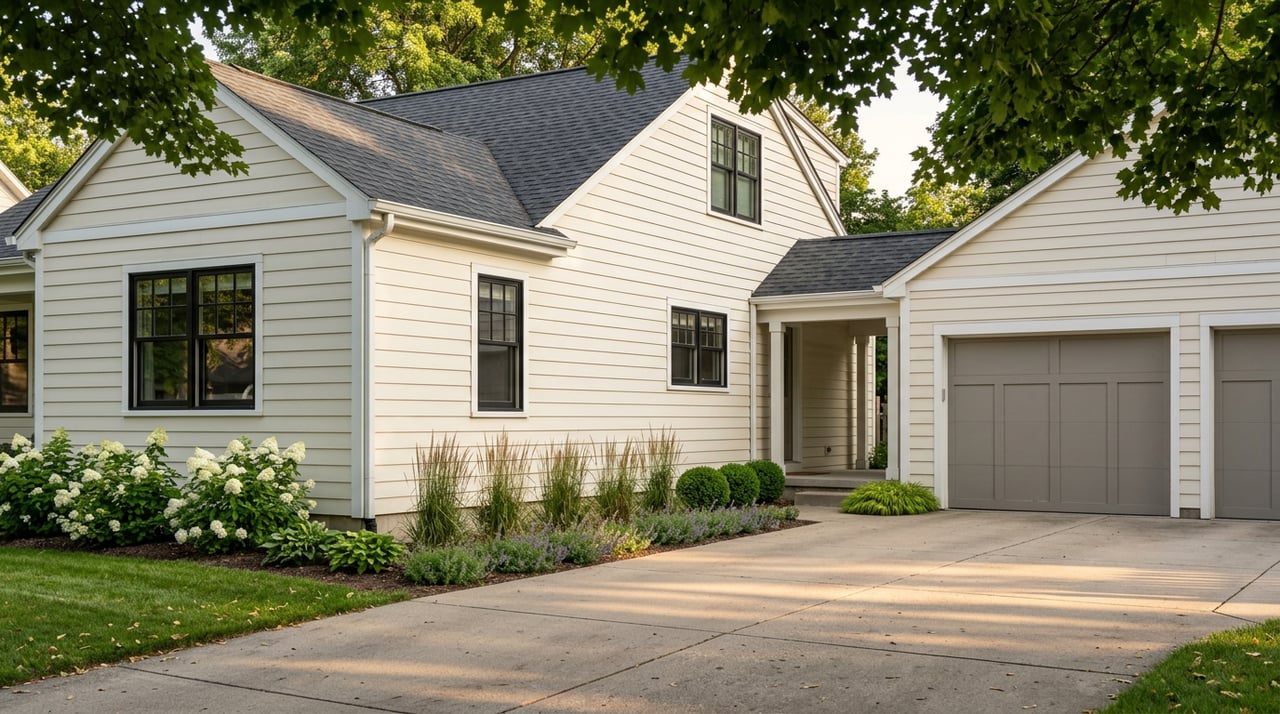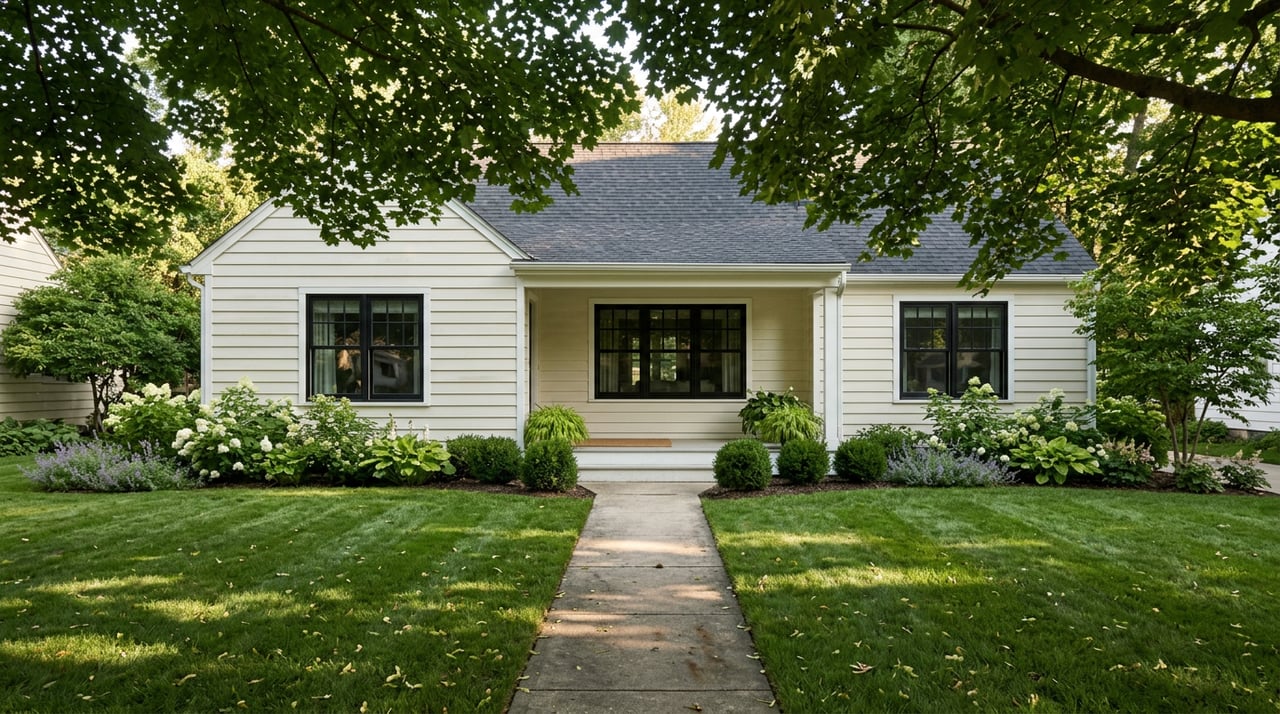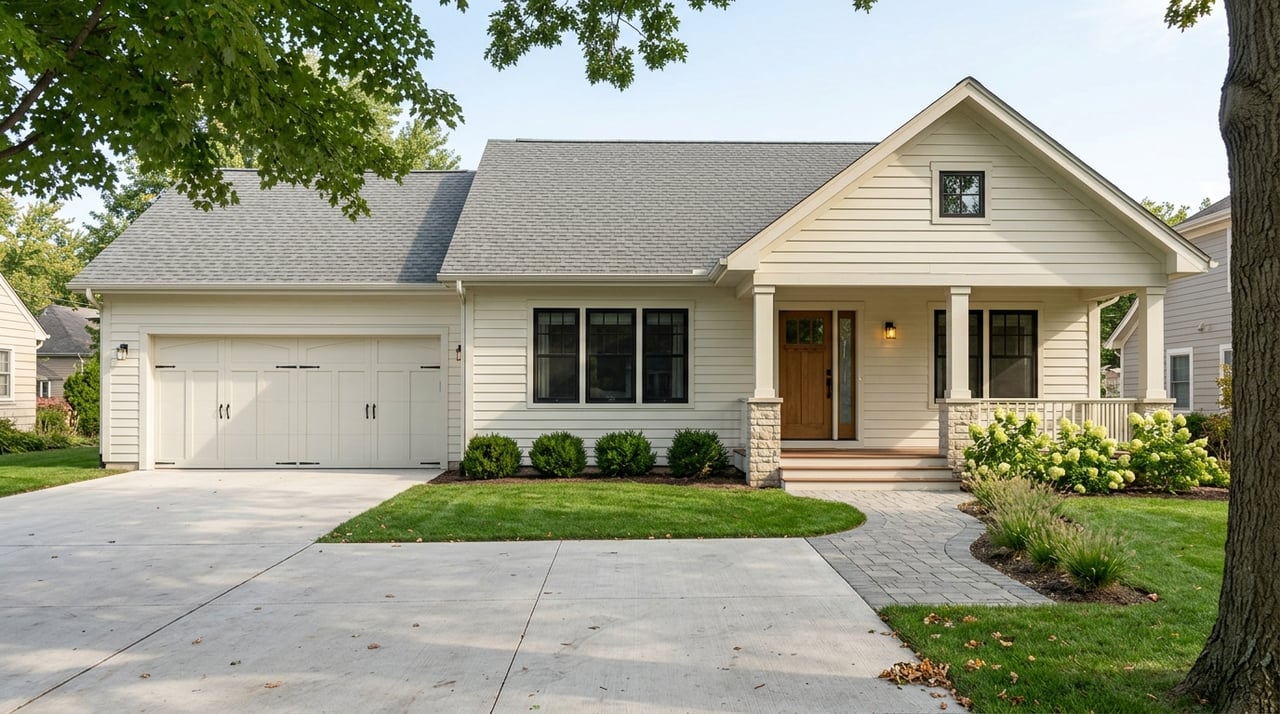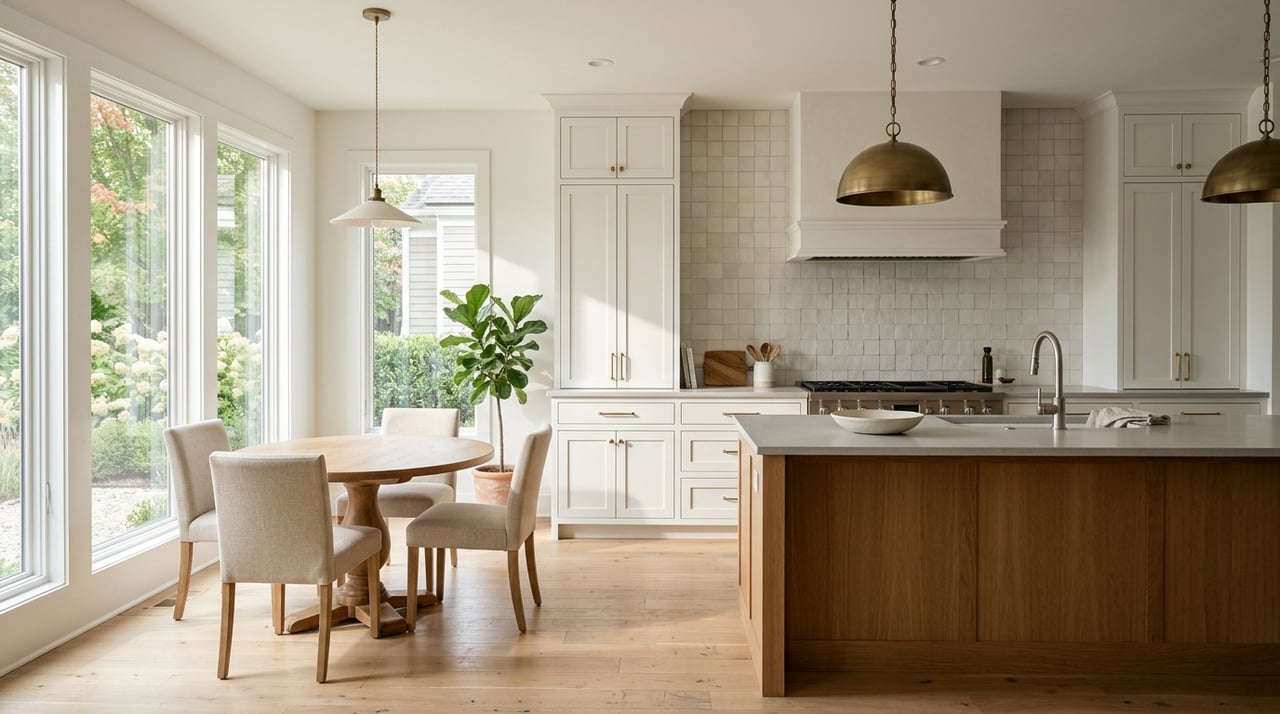
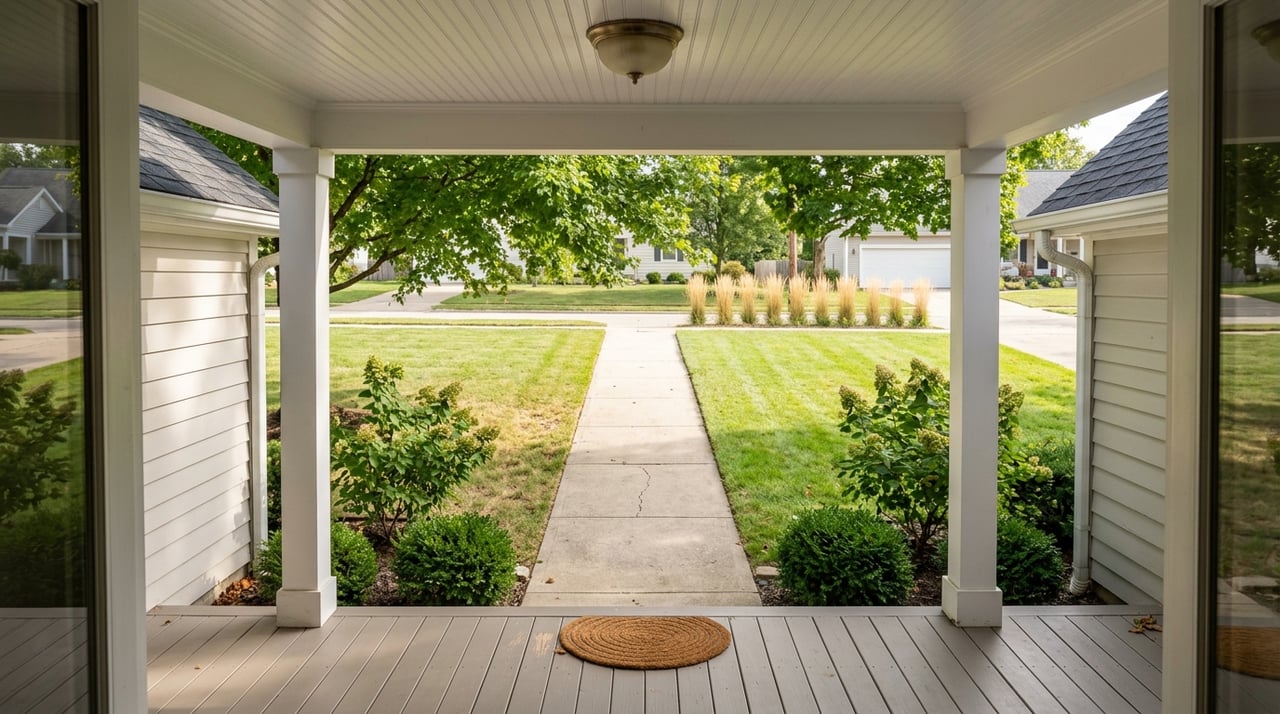
Choosing a Byron Center neighborhood can feel simple at first, until you realize that two homes with a similar price can come with very different dues, amenities, and day-to-day upkeep. If you are trying to balance budget, lifestyle, and long-term value, those details matter more than many buyers expect. This guide breaks down how Byron Center subdivisions differ, what local amenities may offset private neighborhood features, and how to compare the real cost of each option with confidence. Let’s dive in.
Byron Center subdivision types
Byron Center offers a wide range of neighborhood styles, and the biggest differences often come down to fees, maintenance, and amenity scope. Some communities have no HOA dues at all, while others include annual fees, monthly fees, or layered master and sub-association costs.
In practical terms, most buyers are choosing between four broad models. Those models are no-dues executive neighborhoods, lower-fee single-family subdivisions, layered HOA communities, and maintenance-free condo or townhome communities. Knowing which model fits your lifestyle can narrow your search quickly.
No-dues executive neighborhoods
This model appeals to buyers who want a newer or higher-end neighborhood feel without recurring HOA dues. You may still get attractive streetscapes, sidewalks, and established surroundings, but without a monthly or annual association bill.
Railside is the clearest example in Byron Center. It is a well-established community in its sixth phase with executive home sites, sidewalks, streetlights, and nearby access to Railside Golf Club and Kent Trails. JTB Homes lists no HOA dues, with homes starting around $682,000 and floor plans that include ranch, two-story, and main-floor-primary options from about 1,740 square feet and up.
Lower-fee single-family subdivisions
These neighborhoods usually offer a more traditional single-family setup with lighter shared-cost obligations. Fees often help cover entry features, basic upkeep, or limited common-area maintenance rather than a large private amenity package.
Alden Grove and Walnut Ridge are strong examples of this category. Alden Grove has a $350 annual HOA, a wide price range from $466,000 to $994,900, and homes from 1,499 to 2,935 square feet. Walnut Ridge starts around $471,000 and carries a $300 annual property-owners fee for entry maintenance and irrigation.
Layered HOA communities
Layered HOA neighborhoods can look attractive at first glance, but they need a closer financial review. In these communities, you may pay a master-association fee plus a separate monthly fee depending on the home type you choose.
Cook’s Crossing is the best local example. Eastbrook lists single-family homes, townhomes, and courtyard homes there, with prices from $470,000 to $637,000 and floor plans from 1,041 to 2,935 square feet. All homes pay a $475 annual master-association fee, while townhomes pay $250 per month and South Terrace homes pay $215 per month.
Maintenance-free condo living
For some buyers, lower exterior maintenance is worth a higher monthly carrying cost. These communities often bundle services like lawn care, snow removal, trash, and sometimes water or sewer into monthly dues.
Preservation Lakes shows how this model works in Byron Center, even though it is currently sold out. Attached condos were listed at $350 per month and villa condos at $388 per month, both with an added $300 master-association fee. The dues covered lawn maintenance, snow removal, water and sewer, and trash, alongside amenities like lake access, trails, open space, and playground areas.
How key Byron Center subdivisions compare
When you look beyond the listing photos, each neighborhood tells a different story about cost and lifestyle. Here is how several representative Byron Center communities stand apart.
Railside
Railside fits buyers looking for a premium neighborhood with fewer recurring fees. It offers executive home sites, sidewalks, streetlights, and access points near Kent Trails, all without HOA dues.
That can make the long-term carrying cost easier to predict. If you want an established feel and do not need bundled exterior maintenance, Railside stands out as a strong no-dues option.
Southtown
Southtown is more of a straightforward suburban new-build community. Allen Edwin describes it as a single-family neighborhood with 2 to 6 bedrooms, 1,252 or more square feet, an active homeowners association, open space, sidewalks, and social activities.
Its appeal is less about private luxury amenities and more about convenience. It is positioned near M-6, US-131, Tanger Outlets, Whistlestop Park, Douglas Walker Park, and Kent Trails, which can be a practical fit if you want newer construction and access to everyday destinations.
Kuiper’s Meadow
Kuiper’s Meadow is more site-specific and pond-oriented. Interra describes a cul-de-sac setting behind Marshall Elementary, with pond lots and floor plans that include ranch, two-story, and main-floor-primary designs.
This is also a useful example of how lot choice can affect cost. Pond-lot annual dues are listed at $450, so buyers should confirm whether a premium homesite also means a different fee structure.
Alden Grove
Alden Grove offers broad lot variety and direct access benefits on select homesites. Eastbrook highlights daylight, walkout, and wider homesites, and some sites connect directly to Whistlestop Park.
That matters because access to the park adds lifestyle value without requiring a heavy private-amenity structure. Buyers who want single-family living with a modest annual HOA may find this combination appealing.
Walnut Ridge
Walnut Ridge is especially location-driven. It sits across from Byron Center High School and offers single-family homes, including some limited wooded homesites.
Its fee structure is also easy to understand once you know the product type. Single-family homes carry a $300 annual property-owners fee, while the separate courtyard product has a $170 monthly fee that includes lawn maintenance, snow removal, and trash.
Cook’s Crossing
Cook’s Crossing gives buyers more housing choices in one community. You can compare single-family homes, townhomes, and courtyard homes while staying within the same broader neighborhood plan.
It also shows why reading the dues schedule carefully matters. The neighborhood includes views, wooded lots, open space, a park, playground, trails, and a pond, but monthly costs vary by section because of the layered HOA setup.
Preservation Lakes
Preservation Lakes is the clearest maintenance-focused example, even though available inventory is limited because the community is sold out. It combines condo living with water-centered amenities like lake access, beach areas, ponds, trails, and open space.
This kind of setup may appeal if you value convenience and bundled services. It may be less attractive if you prefer lower monthly obligations and are comfortable handling more maintenance on your own.
Public amenities can change the equation
One of the biggest advantages in Byron Center is that you are not relying only on private neighborhood amenities. The township and county park system gives buyers access to a strong public recreation network, which can make a lighter-fee community more appealing.
Whistlestop Park is the township’s largest recreation facility. It includes a playground, dog park, pond, walking path, picnic pavilion, community center, and fields for baseball, softball, football, soccer, and lacrosse.
Bicentennial Park adds pickleball, tennis, basketball, a playground, a skate park, pavilions, and a large wetland and wooded section. Douglas Walker Park offers picnic shelters, playgrounds, trails, and sports fields, plus trailhead access to Kent Trails. Brewer Park adds disc golf, soccer, volleyball, playgrounds, and trails.
Kent Trails is also a major factor for active buyers. Kent County notes that this 15-mile paved non-motorized trail has a Byron Center trailhead on 84th Street, and it connects to Douglas Walker Park. If you enjoy walking, biking, or easy outdoor access, nearby public amenities may reduce the need to pay extra for similar private features.
How to compare HOA costs wisely
The smartest way to compare subdivisions is to convert every fee into an annual cost and then match that number to the services included. A low fee is not always a better deal, and a high fee is not always too much if it removes major ongoing responsibilities.
Here is a simple way to think about the spectrum in Byron Center:
- Railside: no HOA dues
- Walnut Ridge: $300 per year for single-family homes
- Alden Grove: $350 per year
- Kuiper’s Meadow: $450 per year for pond lots
- Cook’s Crossing: $475 annual master fee plus $215 to $250 per month in certain sections
- Preservation Lakes: $350 to $388 per month plus a $300 master fee
Once you know the number, ask what it buys. It may cover entry maintenance, irrigation, lawn care, snow removal, trash, water and sewer, trails, playgrounds, pond upkeep, or lake access.
Why condo documents matter in Michigan
If you are considering a condo or maintenance-free community, the documents deserve close attention. Michigan’s condominium buyer guidance says buyers should review the master deed, subdivision plan, bylaws, and disclosure statement before signing because those documents define rights, obligations, restrictions, and assessments.
The same guidance explains that condominium associations must keep books and records, provide annual financial statements, and maintain a reserve fund for major repairs and replacement of common elements. Michigan also states that reserves must be at least 10% of the annual budget on a non-cumulative basis.
This matters because the monthly fee is only part of the picture. Restrictions may affect pets, rentals, or outdoor displays, and unpaid fees or assessments can become a lien on the unit. For buyers who want a low-maintenance lifestyle, understanding those tradeoffs upfront can prevent surprises later.
A practical way to choose
If you want the simplest comparison, start with your preferred lifestyle instead of the house itself. Ask whether you want lower recurring costs, less exterior upkeep, access to trails and parks, or a neighborhood with more bundled services.
From there, compare communities on three levels: home price, annual or monthly carrying cost, and what you get in return. In Byron Center, that often means weighing no-dues options like Railside against lower-fee communities like Alden Grove or Walnut Ridge, then comparing those to layered-fee or maintenance-free options like Cook’s Crossing and Preservation Lakes.
The best fit is rarely just about the sticker price. It is about how the neighborhood supports your budget, your routine, and the way you want to live in West Michigan over the long term.
If you are comparing Byron Center neighborhoods and want help weighing dues, amenities, and long-term value, Prichard Properties can help you sort through the details and find the right fit.
FAQs
What types of subdivisions are common in Byron Center?
- Byron Center commonly includes no-dues executive neighborhoods, lower-fee single-family subdivisions, layered HOA communities, and maintenance-free condo or townhome communities.
How much are HOA dues in Byron Center subdivisions?
- Public examples range from no HOA dues at Railside to $300 per year at Walnut Ridge, $350 per year at Alden Grove, $450 per year for pond lots in Kuiper’s Meadow, and monthly dues of $215 to $388 in some layered or condo communities.
What amenities do Byron Center public parks offer?
- Byron Center area parks offer features such as playgrounds, trails, picnic shelters, sports fields, dog park access, disc golf, pickleball, tennis, basketball, and walking paths.
Why should Byron Center condo buyers review HOA documents carefully?
- Michigan condominium documents spell out fees, restrictions, responsibilities, and assessment rules, so reviewing them helps you understand the true cost and expectations of ownership.
Is every Byron Center address located in Byron Township?
- No. Public community information shows that some neighborhoods associated with Byron Center may be located in a different township, so it is important to confirm the exact municipality and community details for any home you are considering.