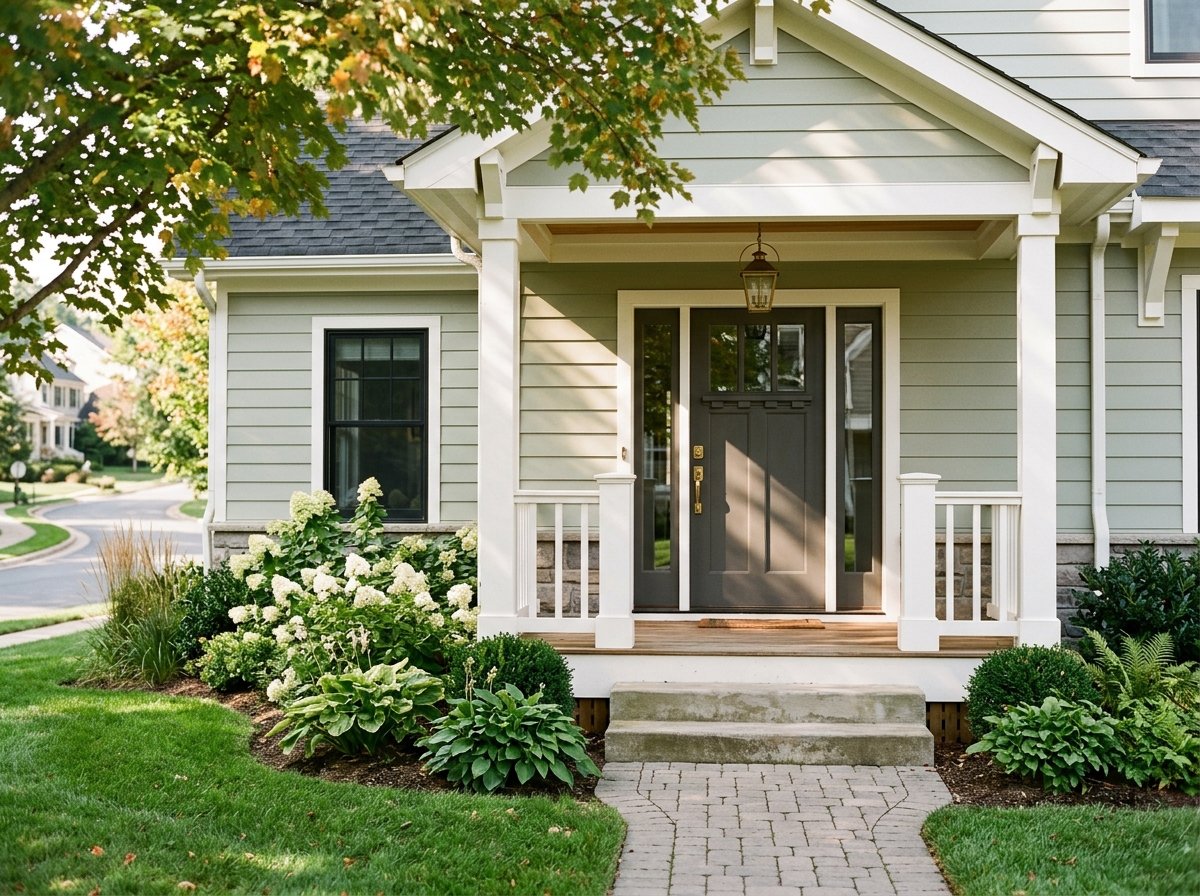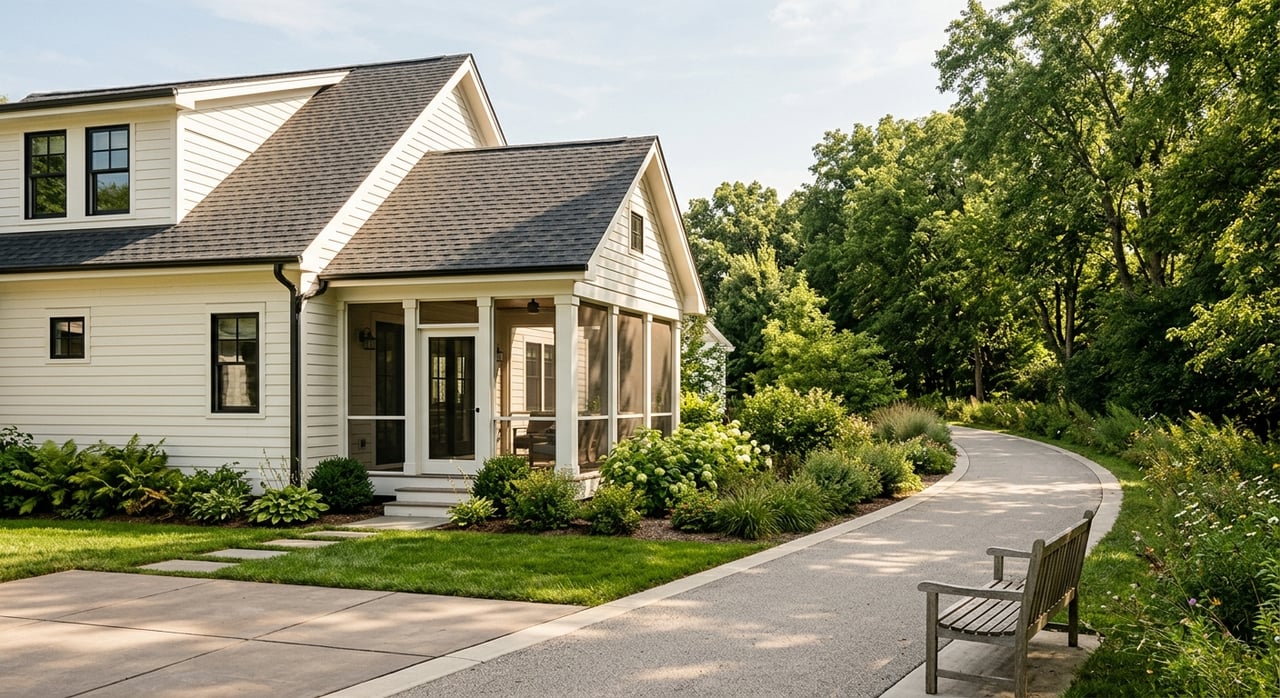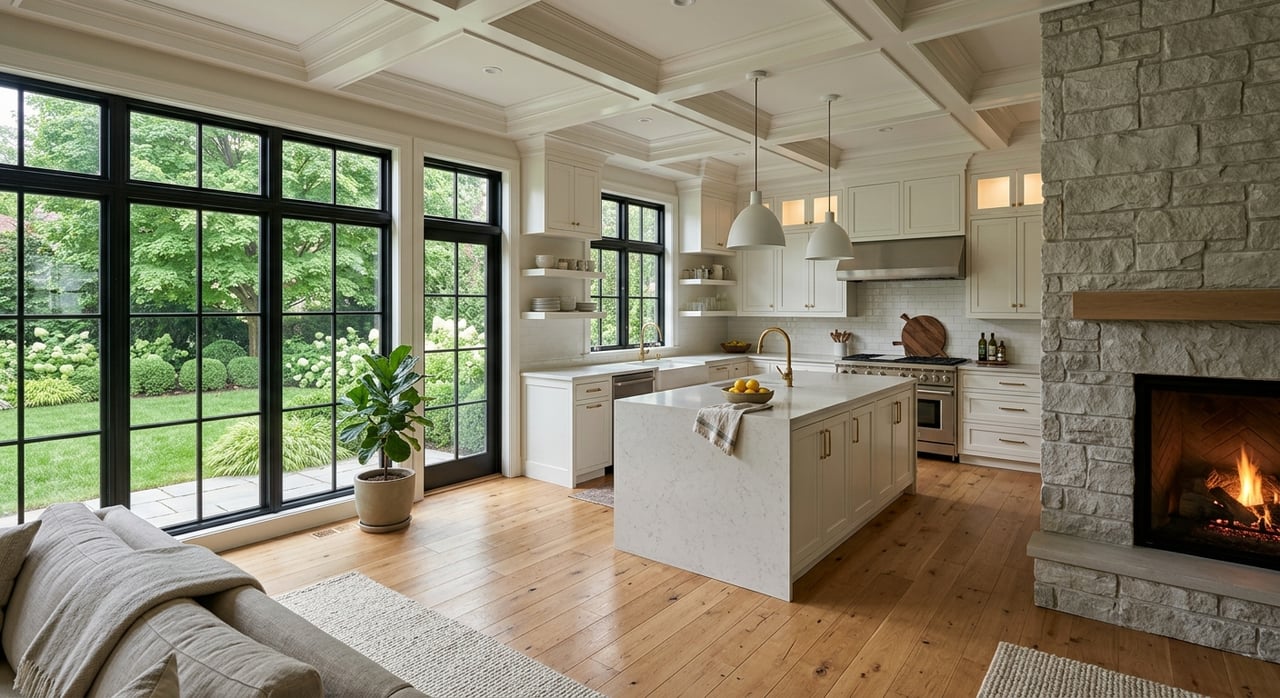
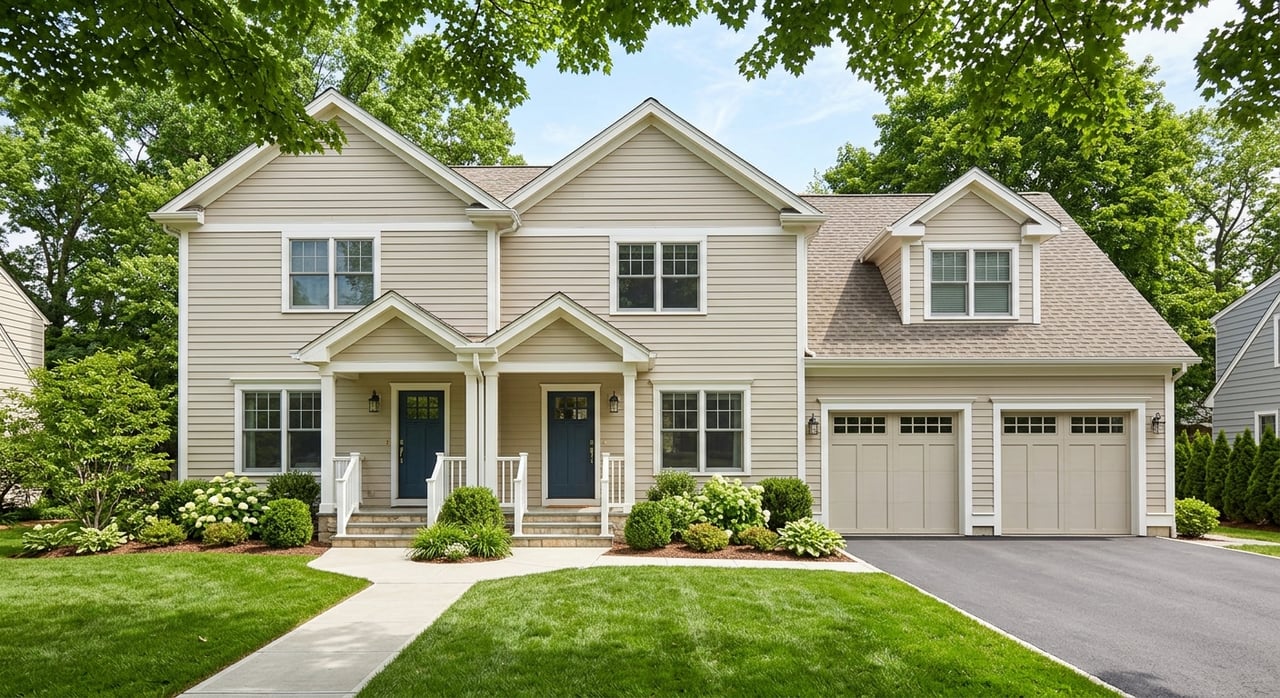
If you are looking at rental homes in Allendale, it helps to know this is not a one-size-fits-all investment market. Allendale has a steady suburban housing base, but it also has a major university presence that can shape demand, turnover, and property use. When you understand how those two forces work together, you can make more informed decisions about location, property type, and long-term performance. Let’s dive in.
Allendale rental market at a glance
Allendale Charter Township has about 26,941 residents and 8,100 households. About 63.5% of occupied homes are owner-occupied, which means roughly 36.5% are renter-occupied. That gives you a meaningful rental base while still pointing to a market that is primarily suburban and owner-occupied.
For investors, that balance matters. It suggests you are not buying into a purely transient rental market, but you are also not relying on a tiny renter pool. Census data also shows a median gross rent of $1,274, while median monthly owner costs with a mortgage are $1,648.
GVSU shapes local rental demand
Grand Valley State University is the biggest local demand driver. GVSU reports 22,035 total students and 6,012 on-campus beds, and its Valley Campus in Allendale is the university’s main academic, housing, and student-life center. That creates a built-in stream of renters who may look off campus once they are no longer required to live in university housing.
Incoming first-year students are required to live on campus, so off-campus demand is likely strongest among upperclassmen, transfer students, graduate students, and other non-freshman renters. If you are evaluating a rental near campus, that is an important distinction. Your likely tenant pool may be less about first-year demand and more about students who already know the area and want more flexibility.
Property types you may encounter
The local rental landscape appears to include several property types, including:
- Single-family homes
- Duplexes
- Apartment buildings
- Apartment communities
- Townhomes
In practical terms, many investors will end up comparing two broad paths. One path is a more conventional suburban rental, often a detached home farther from campus. The other is a property that may appeal more directly to student renters and roommate households near GVSU.
Family-oriented vs. student-oriented rentals
This is one of the most important distinctions in Allendale. A rental closer to campus may depend more on roommate demand and school-year leasing patterns. A rental farther from campus may behave more like a typical suburban home with a different turnover pattern and tenant profile.
Neither approach is automatically better. The right fit depends on your goals, your comfort with turnover, and how closely the property aligns with local occupancy rules. In Allendale, those rules deserve more attention than many investors expect.
Leasing rhythm matters in Allendale
Allendale does not appear to be a very low-turnover market. Census data shows that 72.4% of residents age 1 and older lived in the same house one year earlier, which implies annual local churn of about 27.6%. That is not a vacancy rate, but it does suggest movement is part of the market.
The GVSU academic calendar adds a clear seasonal pattern. Fall classes begin August 25, 2025, and winter classes begin January 12, 2026. Based on that calendar and the university’s housing setup, move-ins and lease transitions are likely to cluster in late summer and again around the start of winter term.
For you, that means timing can affect everything from marketing and showing schedules to cleaning, repairs, and pricing. If you are underwriting an Allendale rental, it makes sense to plan for seasonal turnover windows rather than assume a uniform leasing pattern year-round.
Local rental registration rules
Allendale Charter Township has had a residential rental housing program in place since 2004. Every residential rental property must be registered annually by March 31. The registration fee is $10 per unit.
The township’s examples show how units are counted:
- A single-family rental counts as 1 unit
- A duplex counts as 2 units
- An apartment complex is charged at $10 per apartment
These are small line items compared with your full operating budget, but they still belong in your underwriting. More importantly, they are part of the township’s compliance framework, which should be reviewed before you close.
Inspection schedule and fees
Registration is only part of the picture. The township says residential rentals are generally inspected every four years, or every two years if the last inspection did not meet ordinance requirements.
The current fee schedule lists these initial inspection fees:
- $125 for a single-family rental
- $75 per duplex unit
- $85 for a multi-family unit
- $75 for an owner-occupied duplex
The township also notes a $40 fee for inspections canceled without at least 24 hours’ notice. These costs may not make or break a deal, but they should be treated as real operating expenses, not afterthoughts.
Occupancy rules can shape your strategy
Occupancy rules are especially important if you are considering a roommate-style rental near campus. Under the zoning ordinance, a dwelling unit may be occupied by one person, two persons, or, in the R-3 and R-4 districts, three persons living as a single housekeeping unit.
The ordinance also says group housing in the R-4 overlay district requires special land use approval and is capped at two persons per bedroom. Just as important, temporary student group living arrangements are not treated as a functional family. For investors hoping to maximize rent by adding multiple unrelated tenants, that is a major due diligence point.
This is where a property that looks good on paper can become more complicated in practice. Before you rely on a roommate-heavy income model, confirm the parcel’s zoning and occupancy framework with the township.
Operating costs to underwrite carefully
Like any rental, an Allendale property comes with recurring costs beyond the mortgage payment. Standard expense categories include marketing, cleaning and upkeep, insurance, financing costs, management, repairs, taxes, utilities, and depreciation.
In practical local terms, you should expect to evaluate:
- Mortgage costs
- Property taxes
- Insurance
- Maintenance and repairs
- Turnover cleaning
- Management fees, if applicable
- Utilities, if landlord-paid
One easy-to-miss maintenance item in Allendale is smoke detectors. The township FAQ notes that smoke detectors must be replaced 10 years after the manufacture date. Small compliance details like that can become recurring maintenance tasks over time.
Watch post-closing property taxes
Michigan property taxes deserve special attention when you are buying an investment property. A transfer of ownership generally causes the property’s taxable value to uncap in the calendar year after the transfer.
In plain terms, you should not assume the seller’s current tax bill will continue after closing. This can materially affect your cash flow if you underwrite based on the current owner’s tax amount. For many investors, this is one of the most important numbers to verify before making an offer.
Water, sewer, and utility questions
If you plan to cover utilities as the landlord, confirm those numbers directly during your due diligence. The township’s fee schedule directs owners to Public Works for current water and sewer rates.
That means utility assumptions should be verified, not guessed. This is especially important for duplexes, multi-unit properties, or homes where utility billing arrangements could affect your monthly expenses.
A practical underwriting checklist
If you are comparing rental homes in Allendale, focus on the issues that are most likely to affect performance and compliance. A clear checklist can help you avoid common mistakes.
Start with these items:
- Confirm whether the property fits a student-oriented or conventional suburban rental strategy
- Review the parcel’s zoning and occupancy rules
- Verify annual rental registration requirements and fees
- Estimate inspection timing and inspection costs
- Underwrite likely turnover around the academic calendar
- Recalculate property taxes based on post-transfer uncapping risk
- Confirm landlord-paid utility costs, including water and sewer if relevant
- Budget for routine maintenance, turnover cleaning, and smoke detector replacement timing
What this means for investors
Allendale can offer meaningful rental opportunity, but it rewards careful planning. The market appears to combine suburban rental stability with cyclical university-related demand, and that mix can be attractive if you buy with the right strategy.
The key is to match the property to the reality of the market. A home near GVSU may need a very different leasing and compliance plan than a detached rental farther from campus. When you take the time to evaluate zoning, occupancy, taxes, turnover timing, and local township requirements, you put yourself in a much stronger position to invest with confidence.
If you are considering an investment purchase in Allendale and want local guidance grounded in both market knowledge and financial reasoning, Prichard Properties can help you evaluate opportunities with clarity.
FAQs
What should investors know first about Allendale rental homes?
- Allendale is a suburban market with meaningful rental demand, and GVSU plays a major role in shaping leasing patterns, turnover timing, and some investment strategies.
How does Grand Valley State University affect Allendale rentals?
- GVSU creates off-campus rental demand, especially among upperclassmen, transfer students, graduate students, and other non-freshman renters, since incoming first-year students are required to live on campus.
What rental property types are common in Allendale?
- The local rental mix appears to include single-family homes, duplexes, apartment buildings, apartment communities, and townhomes.
What are Allendale’s rental registration requirements?
- Residential rental properties must be registered annually by March 31, and the township charges a $10 per-unit registration fee.
What inspection fees apply to Allendale rental properties?
- Initial inspection fees currently listed by the township are $125 for a single-family rental, $75 per duplex unit, $85 for a multi-family unit, and $75 for an owner-occupied duplex.
Why do occupancy rules matter for Allendale investment homes?
- Occupancy rules can affect how many people may live in a property and whether a roommate-based strategy is allowed, especially near campus and in certain zoning districts.
Should buyers expect the seller’s property taxes to continue in Michigan?
- No. In Michigan, a transfer of ownership generally causes taxable value to uncap in the calendar year after the sale, so future taxes may be higher than the seller’s current bill.